Smartphones have become an essential part of everyday life, and when a device develops a problem, customers expect accurate diagnosis and reliable repairs. As mobile technology continues to advance, repairing modern smartphones requires much more than replacing screens, batteries, or charging ports. Professional technicians increasingly need knowledge of electronics, motherboard components, diagnostics, and chip-level repair.
For anyone planning a career in mobile phone repair, developing these skills through structured and practical training can provide a strong foundation. From identifying common faults to working with complex motherboard circuits, the journey from smartphone diagnostics to chip-level repair involves several important stages.
Understanding Smartphone Diagnostics
Before attempting any repair, a technician needs to identify what is actually causing the problem. Smartphone diagnostics is therefore one of the most important skills a repair professional can develop.
A phone may fail to switch on because of several possible reasons. The issue could involve the battery, charging circuit, power section, motherboard, software, or another electronic component. Simply replacing parts without identifying the actual fault can lead to unnecessary expenses and unsuccessful repairs.
Professional diagnostic training helps technicians learn how to:
- Identify symptoms and possible causes
- Perform systematic fault finding
- Use appropriate testing equipment
- Examine motherboard-related issues
- Distinguish between hardware and software problems
- Select suitable repair procedures
Developing a diagnostic mindset helps technicians approach complicated repairs logically instead of relying on guesswork.
Moving Beyond Basic Mobile Repairs
Basic mobile repair skills can help technicians handle common jobs such as display replacement, battery replacement, speaker issues, microphone problems, and charging-port replacement. However, modern smartphones can present more complicated hardware faults.
This is where advanced technical knowledge becomes valuable.
A technician working at an advanced level may need to understand motherboard layouts, electronic components, circuit pathways, power management sections, and communication between different components.
Instead of replacing an entire motherboard, chip-level techniques can sometimes allow technicians to identify and work on individual components or sections of a circuit, depending on the device and nature of the fault.
What Is Chip-Level Mobile Repair?
Chip-level repair involves working directly with electronic components and circuits on a smartphone’s motherboard.
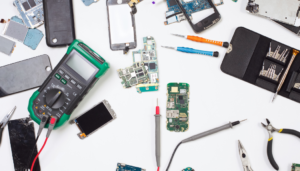
Unlike basic repair work, this requires a deeper understanding of electronics and specialized tools. Technicians may need to examine components under magnification, perform measurements, identify damaged sections, and carry out precise repair procedures.
Important areas of learning can include:
- Motherboard identification
- Electronic components and their functions
- Circuit understanding
- Voltage and resistance measurements
- Power supply sections
- Charging circuits
- Shocircuitrt– identification
- Component-level troubleshooting
- Soldering and rework techniques
- Use of professional diagnostic equipment
The exact repair process depends on the smartphone model and the nature of the fault, so strong fundamentals are essential.
Why Practical Training Matters
Mobile repair is a hands-on profession. Reading about a motherboard or watching repair videos can introduce concepts, but practical experience is important for developing confidence and technical precision.
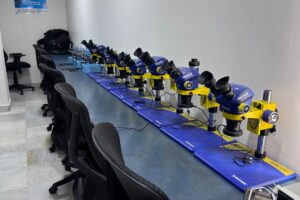
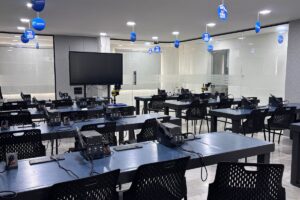
A good training environment allows learners to work with real devices, tools, components, and common repair scenarios. Grandis Technology highlights practical learning facilities, modern mobile repair labs, industry-standard tools, expert trainers, and access to mobile devices as part of its training environment.
Practical training can help students become familiar with:
- Using multimeters and other testing equipment
- Handling electronic components safely
- Identifying motherboard sections
- Performing measurements
- Using soldering and rework equipment
- Diagnosing faults systematically
- Following professional repair procedures
Repeated practice can gradually improve both technical accuracy and confidence.
Developing Professional Repair Skills
Becoming a successful mobile technician involves more than learning individual repair techniques. Professional development requires a combination of technical knowledge, problem-solving ability, patience, and attention to detail.
Some of the most valuable skills include:
1. Fault-Finding Ability
A professional technician should be able to move from symptoms to possible causes and then test those possibilities systematically.
2. Electronics Knowledge
Understanding components, circuits, voltage, resistance, current, and basic electronic principles makes advanced troubleshooting easier.
3. Precision
Motherboards contain small components and delicate connections. Careful handling is essential when performing component-level repairs.
4. Tool Handling
Technicians need to become comfortable with diagnostic and repair equipment and understand which tool is appropriate for a particular task.
5. Problem-Solving
Not every repair follows the same pattern. Technicians often need to analyze symptoms and determine the most practical repair approach.
6. Continuous Learning
Smartphone hardware and repair techniques continue to evolve. Professionals need to keep learning as new devices, components, and technologies enter the market.
Building Skills Through Structured Training
A structured course can help learners progress from fundamental concepts to more advanced repair techniques without having to depend entirely on trial and error.
Grandis Technology offers smartphone chip-level technology training that combines institutional learning with service-centre training. Its listed smartphone chip-level program includes 8 months of institutional training followed by 12 months of service-centre training.
This type of learning pathway can provide students with an opportunity to understand technical concepts and then develop practical experience in a service environment.
Career Opportunities for Skilled Mobile Technicians
Advanced mobile repair skills can open several career possibilities. Depending on their training and experience, technicians may work in:
- Mobile phone service centres
- Electronics repair businesses
- Authorized or independent repair facilities
- Smartphone retail and service businesses
- Refurbishment and repair operations
- Independent mobile repair shops
Experienced technicians may also consider starting their own repair business after gaining sufficient technical and practical experience.
The ability to diagnose difficult faults can be particularly valuable because customers often look for technicians who can handle problems that cannot be resolved through simple component replacement.
Choosing the Right Mobile Repair Training
Before enrolling in a mobile repair course, prospective students should consider several factors.
Look for a training program that provides:
- Practical exposure
- Experienced trainers
- Modern repair equipment
- Electronics and diagnostics fundamentals
- Motherboard-level learning
- Hands-on repair sessions
- Opportunities to work with real devices
- Service-centre exposure
- Support for developing professional skills
The training environment can make a significant difference in how confidently students apply what they learn.
Start Your Journey from Diagnostics to Chip-Level Expertise
Mobile repair has developed from simple component replacement into a technically demanding field involving electronics, diagnostics, motherboard troubleshooting, and chip-level repair.
For aspiring technicians, learning the fundamentals first and gradually progressing toward advanced repair techniques can create a stronger professional foundation. With practical training, consistent practice, and a willingness to keep learning, students can develop the skills needed to work confidently with modern smartphones.
Grandis Technology focuses on mobile and laptop repair education with practical training facilities and technical learning designed to prepare students for the device repair industry. Its current locations include Thodupuzha in Kerala and Egmore in Chennai.
If you are interested in building a career in mobile repair, developing your skills from smartphone diagnostics to chip-level repair can be an important step toward becoming a more capable and professional technician.