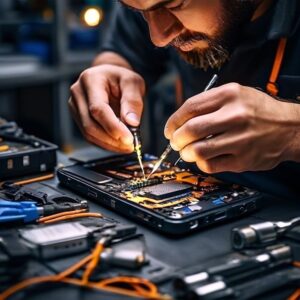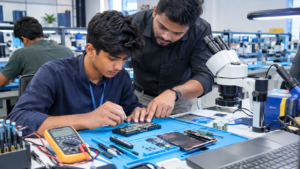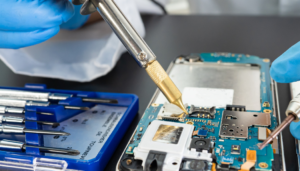
Laptops have become an essential part of education, business, communication, and daily life. As more people depend on laptops, the need for skilled technicians who can identify and repair hardware problems continues to grow. However, learning laptop repair is not only about understanding theories. Students need practical experience to confidently diagnose faults, use repair tools, and work with real devices.
This is why practical training plays an important role in helping students master laptop repairing skills. At Grandis Technology, students can learn through a hands-on training environment supported by technical labs, industry-standard tools, expert guidance, and practical learning spaces.
Helps Students Understand Laptop Components Better
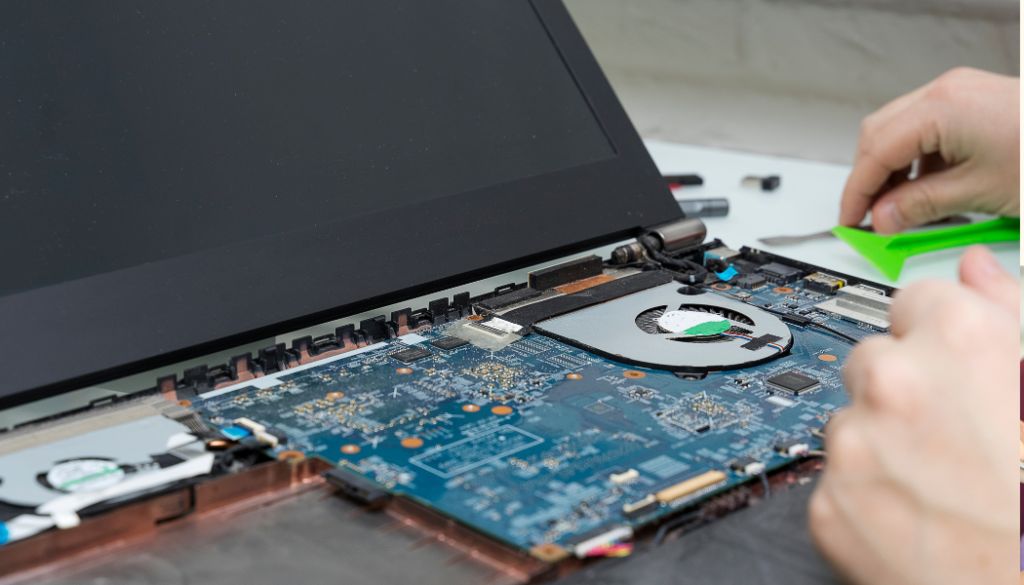
A laptop contains many important components, including the motherboard, RAM, storage devices, display, keyboard, battery, charging section, and cooling system. Reading about these parts can provide basic knowledge, but practical training helps students understand how these components actually work together.
By handling real laptop parts, students can learn to:
- Identify different components
- Understand their functions
- Recognise physical damage
- Assemble and disassemble laptops correctly
- Connect components safely
This hands-on experience makes technical concepts easier to understand and remember.
Builds Confidence in Using Repair Tools
Laptop repairing requires technicians to use different tools correctly. Students need to become familiar with tools used for testing, opening devices, checking circuits, and performing repairs.
Practical sessions allow students to work with equipment under proper guidance. With regular practice, they can develop better control and confidence while handling tools. This is especially important because incorrect tool usage can damage sensitive laptop components.
Grandis Technology highlights advanced technical labs, modern repairing facilities, and industry-standard tools as part of its training environment.
Improves Fault Diagnosis Skills
One of the most important skills of a laptop technician is identifying the actual cause of a problem. For example, a laptop that does not turn on may have a battery issue, charging problem, motherboard fault, or another hardware-related issue.
Practical training helps students move beyond guesswork. They learn to follow a systematic approach by observing symptoms, testing components, and narrowing down possible causes.
Regular exposure to different laptop faults can help students develop stronger diagnostic skills and understand how to approach real repair situations.
Provides Experience With Real Repair Problems
Theory often explains how a fault can occur, but real devices may present problems in different ways. Practical training gives students the opportunity to work on actual repair-related situations and understand how faults are identified and handled.
This experience can help students become familiar with issues such as:
- Power and charging problems
- Keyboard faults
- Display issues
- RAM-related problems
- Storage device issues
- Overheating
- Motherboard-related faults
- Component-level repair challenges
Working through different problems helps students build practical knowledge step by step.
Develops Chip-Level Repairing Knowledge
Basic laptop repair may involve replacing damaged parts. However, chip-level repairing requires a deeper understanding of electronic circuits and components.
Practical training can help students learn how to examine motherboard-level issues and understand the repair process more effectively. This type of hands-on learning is important for students who want to develop advanced technical skills.
Grandis Technology offers a Smartphone & Laptop Chip Level Technology course, combining institutional training with service center training, helping learners gain exposure to both structured learning and practical work environments.
Helps Students Learn From Mistakes
Making mistakes is often part of the learning process. During supervised practical training, students can understand what went wrong and learn the correct method.
For example, if a component is incorrectly connected or a diagnosis is inaccurate, expert trainers can help students identify the mistake and improve their approach. This learning experience can be valuable because it encourages students to think carefully and develop better problem-solving skills.
Over time, practice and guidance can help students become more accurate and confident.
Connects Classroom Learning With Real-World Work
A successful laptop technician needs more than theoretical knowledge. Real repair work requires patience, observation, technical accuracy, and the ability to solve problems.
Practical training helps bridge the gap between classroom learning and real-world repair work. Students can understand how technical knowledge is applied when dealing with different devices and faults.
Grandis Technology also includes service center training as part of its laptop and smartphone chip-level training programme, providing learners with additional practical exposure.
Encourages Better Problem-Solving Skills
Not every laptop problem has an obvious solution. Technicians often need to analyse symptoms, test different possibilities, and identify the most suitable solution.
Hands-on training encourages students to think logically. Instead of simply memorising repair procedures, they learn how to approach problems step by step. This can help them become more independent and capable when facing unfamiliar technical issues.
Strong problem-solving skills are valuable for students planning to pursue careers in laptop repair and technical service.
Students for Career Opportunities
Employers and customers expect technicians to have the ability to work on real devices. Practical skills can therefore play an important role in career preparation.
Students who receive regular hands-on training can develop familiarity with repair procedures, tools, and technical challenges. This may help them feel more prepared for opportunities in service centres, electronics repair businesses, and other technical roles.
Grandis Technology focuses on hands-on training, expert guidance, and facilities designed to help aspiring technicians build practical technical knowledge.
Makes Learning More Effective
Practical learning can make laptop repairing more engaging. Instead of only reading about a motherboard or watching a demonstration, students can observe components closely, perform tests, and understand repair processes through direct experience.
The more students practise, the better they can understand technical concepts. Regular practical sessions can also help improve speed, accuracy, and confidence over time.
Conclusion
Practical training is an essential part of mastering laptop repairing skills. It helps students understand laptop components, use tools properly, diagnose faults, solve real problems, and gain confidence through experience. While theoretical knowledge provides the foundation, hands-on practice helps students understand how that knowledge is applied in real repair situations.
For anyone planning to build technical skills in laptop repair, choosing a training programme with practical learning, expert guidance, and suitable technical facilities can make a significant difference. Grandis Technology offers laptop chip-level training alongside hands-on learning environments and service center training opportunities designed to support students in developing practical skills for the technology repair field.