Introduction
The electronics and technology industry continues to grow as smartphones, laptops, and digital devices become essential in everyday life. From online education and business operations to communication and entertainment, people depend on electronic devices for almost everything. As the use of these devices increases, the need for skilled technicians who can diagnose, maintain, and repair them also becomes important.
For students who have completed Plus Two, job seekers looking for technical careers, and individuals interested in starting their own business, mobile and laptop repairing can be a practical career option. It is a skill-based field that combines electronics knowledge, hands-on experience, logical thinking, and problem-solving abilities.
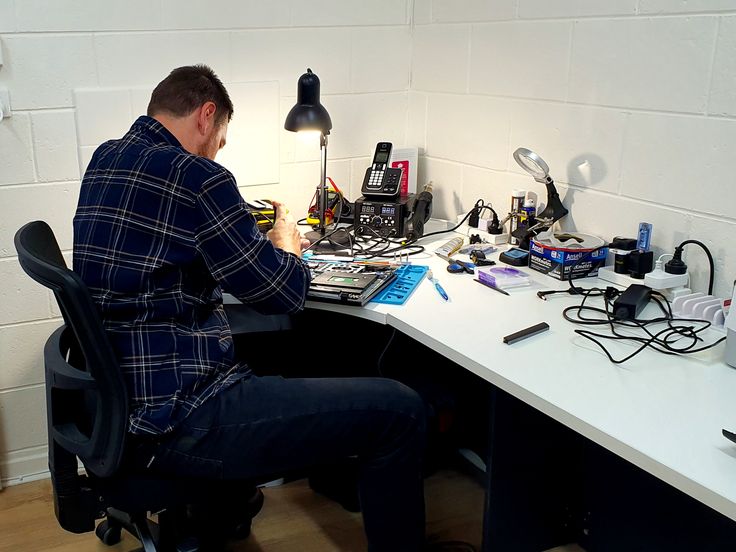
Starting a career in mobile and laptop repairing requires more than simply learning how to replace damaged components. Students need to understand hardware architecture, electronic circuits, software troubleshooting, diagnostic tools, repair procedures, and advanced motherboard servicing. Developing these skills through structured training and practical experience can help learners prepare for technical roles in the electronics service industry.
In Kerala, students interested in technology can explore professional mobile and laptop repairing courses that introduce them to smartphone servicing, laptop hardware, chip-level repairing, and practical laboratory training. Understanding how to begin, what skills to develop, and which career paths are available can help students make informed decisions about their future.
Why Choose Mobile and Laptop Repairing as a Career?
Mobile and laptop repairing is a technical profession that focuses on diagnosing, maintaining, and repairing electronic devices. It is suitable for individuals who enjoy working with technology, understanding hardware components, solving technical problems, and learning through practical activities.
Growing Dependence on Smartphones and Laptops
Smartphones and laptops are used across different industries, including education, healthcare, banking, retail, business, entertainment, and communication. These devices support important daily activities, making their functionality essential for individuals and organisations.
Electronic devices may experience display damage, charging problems, battery failures, software errors, motherboard faults, overheating, and other technical issues. Resolving these problems requires technicians who understand device architecture, diagnostic procedures, and repair methods.
As technology continues to develop, technicians need to learn how modern devices function and how different hardware and software components interact.
A Skill-Based Career Path
Mobile and laptop repairing is a profession where practical knowledge plays a major role. Students learn how to identify electronic components, understand circuits, use diagnostic equipment, perform repairs, and troubleshoot technical problems.
A skill-based career can be suitable for learners who prefer practical training and technical work rather than focusing entirely on theoretical studies. Through regular practice, students can gradually develop the ability to handle different repair tasks and understand complex electronic systems.
Opportunities for Employment and Self-Employment
Mobile and laptop repairing offers different career possibilities depending on the skills and experience developed by the learner. Students may explore opportunities in mobile service centres, laptop repair shops, electronics servicing companies, technical support departments, and hardware maintenance facilities.
Individuals interested in entrepreneurship may also consider establishing their own repair business after gaining sufficient technical knowledge and experience. Starting a business requires additional planning, investment, customer management, and an understanding of the local market.
Continuous Learning and Technical Growth
Technology is constantly changing, and new smartphone models, laptop architectures, electronic components, and repair techniques are introduced regularly. Technicians need to keep updating their knowledge to understand new devices and identify technical problems effectively.
Continuous learning helps repair professionals improve their expertise, develop specialisation, and adapt to changing technologies in the electronics industry.
How to Start Learning Mobile and Laptop Repairing?
Starting a career in mobile and laptop repairing involves understanding the fundamentals, choosing the right training program, developing practical skills, and gaining experience with different devices. Beginners should focus on building a strong foundation before moving into advanced motherboard repair.
Understand the Basics of Electronics
Basic electronics is the foundation of mobile and laptop repairing. Before working with circuit boards and electronic components, students should understand how electrical systems function and how different components operate.
Learn Voltage, Current, Resistance, and Power
Voltage, current, resistance, and power are fundamental concepts in electronics. Understanding these concepts helps learners analyse circuits, perform electrical measurements, and identify problems related to power supply and circuit functionality.
Identify Electronic Components
Students should learn to identify resistors, capacitors, diodes, transistors, MOSFETs, coils, ICs, connectors, and other electronic components used in mobile phones and laptops.
Understanding the functions of these components helps technicians recognise different motherboard sections and identify possible causes of faults.
Understand Circuit Diagrams
Circuit diagrams provide information about the connections between components and the flow of electrical signals within a circuit. Learning to understand circuit diagrams helps students analyse electronic systems and develop troubleshooting skills.
Choose a Professional Mobile and Laptop Repairing Course
Joining a structured training program can help students learn repairing techniques in a systematic manner. A professional course should introduce basic electronics, mobile hardware, laptop hardware, software troubleshooting, component-level repair, and advanced chip-level diagnostics.
Check the Course Curriculum
Before enrolling, students should understand the course syllabus, training duration, practical sessions, advanced modules, and learning outcomes.
A comprehensive course should cover the fundamentals and gradually progress toward advanced repair techniques so that learners can develop their technical skills step by step.
Look for Hands-On Training
Mobile and laptop repairing requires practical experience. Students should get opportunities to work with real devices, repair tools, circuit boards, and diagnostic equipment.
Hands-on training helps learners understand repair procedures, develop precision, practise component replacement, and improve troubleshooting ability.
Learn From Experienced Trainers
Experienced trainers can demonstrate repair techniques, explain electronic circuits, guide students during practical sessions, and help learners understand the correct methods for diagnosing faults.
Trainer support is especially important when students begin working with sensitive electronic components and advanced repair equipment.
How to Develop Mobile Repairing Skills?
Mobile repairing involves understanding smartphone architecture, hardware components, software systems, and different repair procedures. Developing mobile repair skills requires a combination of technical knowledge and repeated practical training.
Learn Smartphone Hardware Architecture
Students should understand how smartphone hardware components function and how they work together to support the device’s operation.
Understand the Smartphone Motherboard
The motherboard is one of the most important components of a smartphone. It contains different circuits and electronic components responsible for processing, power management, communication, charging, and other functions.
Learning motherboard architecture helps technicians identify different sections and understand how faults in one area can affect the device.
Learn Display and Touchscreen Repair
Display-related problems are among the common smartphone issues. Students may learn display inspection, touchscreen troubleshooting, display replacement, connector inspection, and related repair procedures.
Understanding display technology and the connections between display components helps technicians identify screen-related faults accurately.
Understand Battery and Charging Systems
Battery and charging-related problems can affect smartphone functionality. Students learn about battery systems, charging connectors, charging circuits, power-related components, and common charging problems.
This knowledge helps technicians investigate charging failures, battery-related issues, and power problems.
Learn Camera, Speaker, and Sensor Troubleshooting
Smartphones contain different components that support camera functionality, audio, sensors, and communication. Students learn how to inspect these components, identify faults, and perform appropriate replacement or troubleshooting procedures.
Learn Mobile Software Troubleshooting
Software troubleshooting is another important skill for mobile technicians. Smartphone problems may arise because of firmware errors, operating system issues, booting problems, software conflicts, or incorrect configurations.
Understand Firmware and Flashing
Firmware is the software that supports the operation of a device’s hardware. Learning about firmware installation, flashing procedures, updates, and recovery methods can help technicians handle software-related faults.
Troubleshoot Booting Problems
Smartphones may experience boot loops, startup failures, stuck logos, recovery issues, and other boot-related problems. Students learn how to identify possible causes and follow suitable troubleshooting procedures.
Learn Software Diagnosis
Software diagnosis involves analysing the symptoms of a smartphone, checking its operating system and software configuration, and identifying the possible cause of the problem.
Understanding software troubleshooting helps technicians distinguish between software-related faults and hardware problems.
How to Learn Laptop Repairing and Hardware Troubleshooting?
Laptop repairing requires an understanding of computer hardware, motherboard architecture, operating systems, power systems, and electronic circuits. Students need to learn how laptops function and how to identify problems affecting different components.
Learn Laptop Hardware Fundamentals
Laptop hardware training introduces students to the internal components of a computer and their functions.
Understand Laptop Motherboard Architecture
Students learn about the motherboard, processor, memory, storage, power circuits, charging circuits, connectors, and other important hardware sections.
Understanding the motherboard architecture helps learners identify component locations and develop a systematic approach to diagnosing hardware problems.
Learn RAM and SSD Installation
RAM and SSD components play an important role in laptop performance. Students learn how to identify compatible components, install or replace memory and storage devices, and troubleshoot related issues.
Understand Display, Keyboard, and Battery Systems
Laptop display systems, keyboards, batteries, touchpads, and cooling systems may experience different types of problems. Learning how these components function helps technicians identify faults and perform maintenance or replacement procedures.
Learn Laptop Software Troubleshooting
Software problems may affect laptop performance, booting, system stability, and functionality. Technicians need to understand operating system installation, driver configuration, BIOS settings, software errors, and system recovery.
Operating System Installation
Students learn how to install operating systems, configure system settings, install drivers, and prepare laptops for proper use.
BIOS Configuration and Troubleshooting
BIOS settings play an important role in hardware configuration and system startup. Understanding BIOS functions helps technicians investigate booting problems, hardware detection issues, and system configuration errors.
Diagnose Performance and Booting Issues
Laptops may experience slow performance, startup failures, system crashes, software conflicts, or storage-related problems. Students learn how to identify the symptoms, investigate the causes, and apply appropriate troubleshooting methods.
How to Learn Chip-Level Repairing?
Chip-level repairing is an advanced area of electronics servicing that focuses on diagnosing and repairing faults on motherboard circuits and electronic components. It requires an understanding of circuit functionality, component testing, voltage analysis, soldering techniques, and specialised diagnostic equipment.
Understand Motherboard Circuit Functions
Students learn how different motherboard circuits operate and how electronic components support the functions of smartphones and laptops.
Learn Power Supply Circuits
Power circuits are responsible for supplying the required electrical power to different sections of a device. Understanding power circuits helps technicians investigate issues such as devices not turning on, power failures, and related motherboard problems.
Learn Charging Circuits
Charging circuits control the process of supplying power to batteries and managing charging-related functions. Understanding these circuits helps students investigate charging failures, charging IC problems, and related electronic faults.
Identify Integrated Circuits and Components
Motherboards contain different ICs and electronic components that support specific functions. Students learn to identify these components, understand their roles, and investigate faults through diagnostic procedures.
Develop Micro-Soldering Skills
Micro-soldering involves working with small electronic components on circuit boards. It requires precision, proper tool handling, temperature control, and careful attention to detail.
Practise Soldering and Desoldering
Students learn soldering fundamentals, component removal, component installation, solder joint inspection, and desoldering techniques.
Learn Component Replacement
Component replacement requires identifying the defective component, removing it carefully, preparing the board, installing the replacement component, and checking the repair.
Understand Advanced Motherboard Repair
Advanced motherboard repair may involve voltage testing, short-circuit detection, IC replacement, power circuit diagnosis, PCB troubleshooting, and specialised chip-level repair techniques.
These skills are developed through supervised practical sessions and repeated training.
How to Gain Practical Experience in Mobile and Laptop Repairing?
Practical experience is essential for becoming a skilled repair technician. The ability to diagnose and repair electronic devices develops through continuous practice, exposure to different repair cases, and understanding the correct repair procedures.
Work With Real Devices
Practising with actual smartphones and laptops helps students understand device architecture, component locations, hardware connections, and repair challenges.
Working with different device models provides opportunities to learn how designs and repair procedures may vary.
Practise Fault Diagnosis
Students should learn to identify device symptoms, investigate possible causes, test components, and analyse results.
Practising systematic fault diagnosis helps improve problem-solving ability and reduces reliance on random component replacement.
Use Repair Tools Regularly
Regular practice with multimeters, soldering stations, hot air rework stations, microscopes, and other repair equipment helps students improve tool handling and technical precision.
Learn From Repair Mistakes
During practical training, learners may encounter difficulties while dismantling devices, identifying faults, performing soldering, or reassembling components.
Understanding mistakes and learning how to correct them is an important part of technical development. Proper guidance and repeated practice help students improve their methods and avoid common repair errors.
How to Build a Career After Completing a Mobile and Laptop Repairing Course?
After completing professional training, students can explore different opportunities depending on their technical expertise, practical experience, and career goals. The electronics service industry offers several paths for individuals who develop strong repairing and troubleshooting skills.
Explore Employment Opportunities
Students may apply for technical positions in mobile service centres, laptop repair shops, electronics maintenance facilities, computer service companies, and other repair-related environments.
Mobile Repair Technician
Mobile repair technicians handle smartphone hardware and software problems, component replacement, device testing, and troubleshooting.
Laptop Repair Technician
Laptop repair technicians diagnose computer hardware problems, perform component replacements, troubleshoot software issues, maintain laptops, and investigate motherboard faults.
Chip-Level Technician
Chip-level technicians specialise in motherboard repair, circuit diagnostics, component-level testing, micro-soldering, and advanced electronic troubleshooting.
Electronics Service Technician
Electronics service technicians work with different electronic devices and equipment, depending on their technical expertise and job responsibilities.
Start Freelance Repair Services
After gaining practical experience, technicians may offer independent repair services. Freelancing can involve mobile servicing, laptop maintenance, hardware replacement, software troubleshooting, and specialised repair work.
Independent technicians need to manage customer requirements, repair schedules, service charges, spare parts, and quality standards.
Start Your Own Repair Business
Entrepreneurship is another career path for technicians who want to establish their own mobile or laptop repair business.
Plan Your Services
Identify the types of repairs you can handle confidently and determine which services are suitable for your business.
Invest in Equipment
Select suitable tools and diagnostic equipment based on the repair services you intend to provide.
Develop Customer Relationships
Clear communication, transparent pricing, quality repair work, and reliable service help build customer trust.
Promote Your Business
Digital marketing, local search visibility, customer referrals, social media, and online business listings can help attract customers and develop a strong local presence.
How to Choose the Best Mobile and Laptop Repairing Institute in Kerala?
Choosing the right institute is an important step toward developing technical knowledge and practical repairing skills. Students should evaluate the training program carefully before enrolling.
Check the Course Syllabus
The syllabus should include electronics fundamentals, mobile hardware, laptop hardware, software troubleshooting, circuit diagnostics, component replacement, and advanced chip-level repairing, depending on the program.
Prioritise Practical Training
Students should check whether the institute provides regular laboratory sessions, hands-on device practice, troubleshooting exercises, and practical exposure to repair tools.
Evaluate Training Facilities
A suitable laboratory should provide equipment for mobile and laptop servicing, hardware diagnostics, soldering, motherboard inspection, and advanced repair procedures.
Check Trainer Experience
Experienced trainers can help learners understand technical concepts, perform repair procedures correctly, and develop their skills through guided practice.
Understand Internship and Industry Exposure
Service centre training, internships, or industry exposure can help students understand professional repair environments and gain experience with real repair workflows.
Review Certification and Career Assistance
Students should understand course completion requirements, certification details, assessment procedures, placement assistance, and career guidance offered by the institute.
Future Scope of Mobile and Laptop Repairing in Kerala
Mobile and laptop repairing continues to be a relevant technical field as electronic devices remain important for communication, education, business, and digital services.
Modern smartphones and laptops contain advanced circuits, integrated components, compact motherboards, and sophisticated hardware systems. Repairing these devices requires technicians to develop updated knowledge and specialised skills.
Growing Need for Technical Expertise
Device-related problems require proper inspection, fault diagnosis, and repair procedures. Technicians who understand hardware architecture, software troubleshooting, and motherboard diagnostics can explore opportunities in the electronics service industry.
Advanced Chip-Level Repair Opportunities
Advanced chip-level repair techniques are increasingly important for handling complex electronic faults. Technicians can develop specialised expertise in motherboard diagnostics, IC replacement, micro-soldering, power circuit repair, and component-level troubleshooting.
Career Growth Through Specialisation
Technicians can gradually develop expertise in particular areas of mobile and laptop repairing. Specialisation may help them explore advanced technical roles and improve their professional knowledge.
Opportunities for Entrepreneurship
The repair industry also provides opportunities for self-employment and independent business. Experienced technicians may establish repair centres, offer specialised servicing, or develop their own customer base.
Continuous Learning and Skill Development
Technicians need to continue learning as devices and technologies evolve. Regular practice, technical training, and exposure to new repair techniques can help them improve their skills and adapt to industry developments.
Frequently Asked Questions
Can I start learning mobile and laptop repairing after Plus Two?
Yes. Students who have completed Plus Two can explore mobile and laptop repairing courses, depending on the eligibility criteria. Beginner-level training generally introduces electronics fundamentals before progressing to hardware, software, and advanced repair techniques.
Is mobile and laptop repairing a good career for beginners?
It can be a suitable career for beginners who are interested in technology, electronics, and hands-on problem-solving. Proper training and practical experience help learners develop the skills required to explore technical roles.
How long does it take to become a mobile repair technician?
The learning duration depends on the course structure, training level, and amount of practical experience. Basic repairs may be learned within a shorter period, while advanced chip-level repair requires additional practice and experience.
Can I learn chip-level repairing without a technical background?
Beginners can learn chip-level repairing through structured programs that introduce basic electronics and gradually progress to motherboard diagnostics and component-level repair. Developing advanced skills requires regular practice and proper guidance.
What tools are required to start mobile repairing?
Common tools include multimeters, soldering stations, hot air rework stations, DC power supplies, microscopes, precision screwdrivers, tweezers, PCB holders, and other specialised repair accessories.
Can I start my own mobile repair shop after completing training?
Yes. After gaining sufficient technical knowledge and practical experience, you can explore starting a mobile repair shop. Business success also depends on investment, customer service, service quality, spare parts management, and business planning.
Is laptop repairing also included in mobile repairing courses?
Not every mobile repairing course includes laptop repairing. Students who want to learn both should choose a program that specifically covers smartphone and laptop hardware, software troubleshooting, motherboard diagnostics, and chip-level repair.
What is the difference between basic mobile repairing and chip-level repairing?
Basic mobile repairing generally focuses on replacing damaged components and resolving common hardware or software problems. Chip-level repairing involves diagnosing and repairing motherboard circuits and electronic components using specialised tools and techniques.
Conclusion
Starting a career in mobile and laptop repairing can be an interesting opportunity for students who want to develop practical technical skills after Plus Two. It is a field that combines electronics knowledge, hands-on experience, troubleshooting ability, and continuous learning.
The first step is to understand the fundamentals of electronics and smartphone and laptop hardware. Choosing a structured training program with practical sessions, experienced trainers, and suitable laboratory facilities can help students develop a strong technical foundation. As learners progress, they can explore advanced chip-level repairing, motherboard diagnostics, micro-soldering, and specialised repair techniques.
After completing training and gaining sufficient experience, students can explore opportunities in service centres, repair shops, technical support environments, freelance servicing, or entrepreneurship. The career path depends on the skills developed, practical experience, and willingness to adapt to changing technology.
For students, job seekers, and aspiring entrepreneurs in Kerala, mobile and laptop repairing can provide an opportunity to learn a technical profession, develop specialised expertise, and work toward a career in the electronics service industry.