Phones have become the one device people cannot be without. When a phone stops charging, loses network, shows a blank display or gets water damage, people want it fixed fast, and they want it fixed by someone who understands what is happening on the circuit board. That is why skilled repair technicians are in steady demand across the city. If you are looking for a mobile repairing course in Chennai that takes you beyond changing screens and batteries, this guide will help you understand what to learn, how training should work and what to check before you enrol.
We also explain how Grandis Technology trains students at its Egmore, Chennai branch.
Why Mobile Repair Is a Strong Career Choice
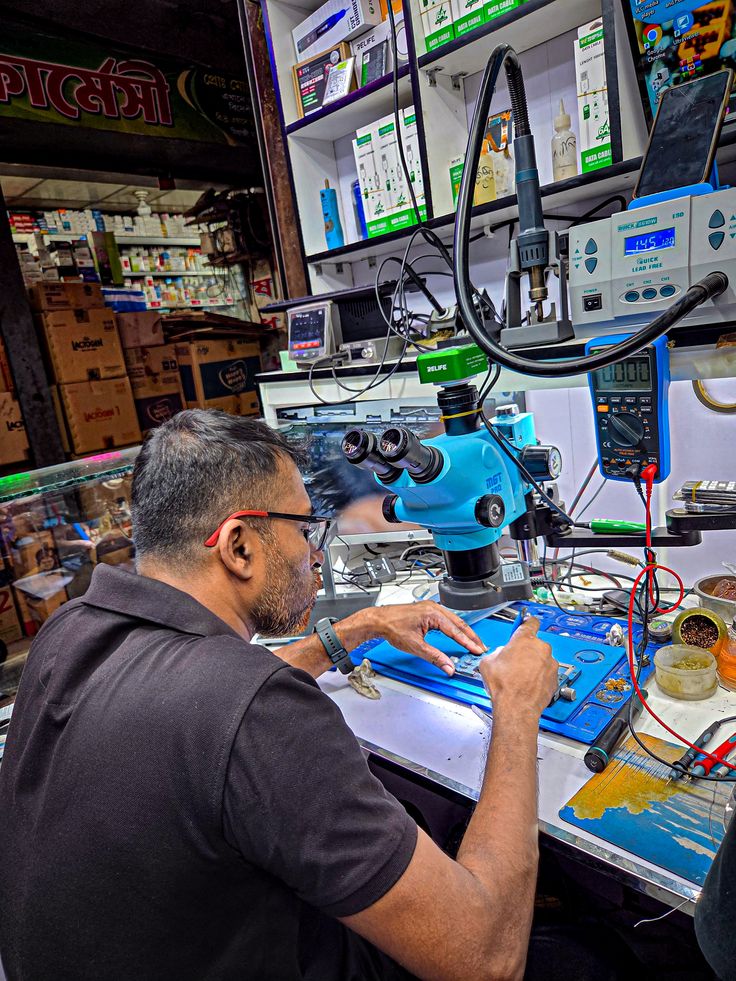
Chennai is a large, busy city with a huge number of smartphone users, a big student population and many working professionals who depend on their devices all day. The city is also known as an electronics manufacturing and technology hub, so familiarity with electronics repair is a valuable skill. Here is why many learners choose this field:
- Constant demand. Phones break, age and need servicing in every neighbourhood.
- Skills-based income. Good technicians are valued for what they can fix, not only for degrees.
- Multiple career paths. You can work in a service centre, join a repair shop, become a freelance technician or start your own business.
- Low entry barrier. You can begin learning without a long academic background, although training quality matters a lot.
- Room to grow. Advanced chip-level skills open doors to more complex and better paid work.
Basic Repair vs Chip-Level Repair: Know the Difference
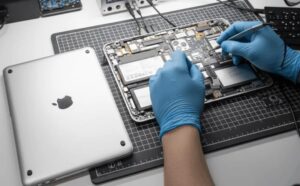
Most short courses teach basic repair: replacing displays, batteries, charging ports and speakers. This is useful, but many faults go deeper. Chip-level repair means diagnosing and fixing problems on the motherboard itself, at the level of individual components.
Chip-level training typically covers:
- Electronics fundamentals: voltage, current, resistance, capacitors, coils, diodes and transistors.
- Reading schematics and boardviews: tracing power lines and signal paths.
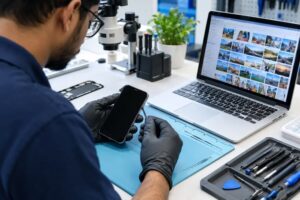
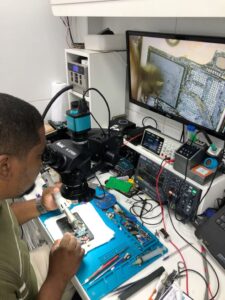
- Using a multimeter, power supply and microscope to find faults step by step.
- Soldering and rework: working with tiny surface-mount components on a dense board.
- BGA rework and reballing: removing and replacing chips that use a ball grid array package.
- Fault finding: dead phones, short circuits, charging and power IC faults, no display, network and audio issues.
- Software and firmware support: flashing, unlocking where permitted, and data-related troubleshooting.
A technician with chip-level skills can often save a device that others would call unrepairable. That is what customers and employers value most.
What a Good Training Programme Should Include
Before you choose an institute, check that the course offers:
- A structured syllabus that moves from basics to advanced repair.
- Real hands-on practice on live phones and boards, not only demonstrations.
- Professional tools, such as microscopes, soldering and hot air stations, BGA and reballing equipment and testing instruments.
- Experienced trainers who have worked on real repairs and can explain why a fault happens.
- Regular assessments so you know your progress.
- Certification that employers and customers recognise.
- Placement and career support, including interview preparation.
- A clear explanation of course duration and structure.
How Grandis Technology Trains Students in Chennai
Grandis Technology is an educational division of the Ashtel Group of Companies, which was established in Kerala in 2022 and has expanded to Chennai. According to the institute, the Ashtel Group has operated since 2003 and has a presence in 19 countries. Our goal is to produce confident, industry-ready technicians through hands-on practice rather than theory alone.
At our Egmore branch in Chennai, students train in a practical lab environment equipped with professional tools such as BGA machines, CPU reballing systems and precision microscopes, the kind of equipment used in real service centres. Our Chennai centre focuses on smartphone, laptop and Mac chip-level technology, so a mobile repairing course in Chennai with us can also lead into advanced multi-device skills.
You can review our programmes on these pages:
- Smartphone chip level technology: 8 months of institutional training plus 12 months of service centre training.
- Smartphone and laptop chip level technology: 10 months of institutional training plus 12 months of service centre training.
The institute states that its courses are Government certified (NCVET), that it offers placement assistance and career counselling and that it provides a written job-assurance agreement. Ask the admissions team to explain the exact terms, eligibility and what is included before you enrol.
Meet our trainers on the faculties page and see student outcomes on the placements page.
Understanding Course Certification
Certification can matter when you apply for jobs or want to build trust as an independent technician. In India, vocational qualifications are overseen under the framework of the National Council for Vocational Education and Training (NCVET), and learners can explore skilling programmes through the Skill India Digital platform. When an institute mentions certification, ask which body issues it, what it covers and how employers view it.
Career Options After Mobile Repair Training
Once you complete advanced training, you can explore roles such as:
- Mobile service technician at a brand or multi-brand service centre.
- Chip-level repair specialist handling motherboard faults.
- Repair shop technician or supervisor.
- Freelance or home-service technician.
- Business owner, opening your own mobile repair and accessories shop.
- Quality checker or technical support executive in electronics service companies.
If you want to extend into laptops later, a combined smartphone and laptop programme prepares you for a wider range of jobs.
Who Can Join a Mobile Repair Course?
This kind of training suits:
- Students after Plus Two or after school who want a technical, job-oriented skill.
- ITI and diploma holders who want to specialise in electronics repair.
- Existing repair technicians who want to learn chip-level skills.
- Career changers looking for a hands-on profession.
- Aspiring entrepreneurs who want to open their own repair business.
Eligibility and admission details should be confirmed directly with the institute, so contact our team with your background and goals.
How to Compare Institutes Before You Enrol
Anyone considering a mobile repairing course in Chennai should visit in person and ask practical questions:
- Can I see the lab and the tools students actually use?
- How many hours are practical and how many are theory?
- Will I work on live devices?
- How many students are in each batch?
- Who are the trainers, and what experience do they have?
- What certificate will I receive, and who issues it?
- What placement or business-setup support do you offer, and what are the written terms?
- What is the full fee, and what does it include?
Be careful with any institute that guarantees income or outcomes without explaining the conditions in writing. Reading the fine print protects you.
Tips to Succeed as a Repair Technician
- Practise daily. Skill comes from repetition on real boards.
- Learn to read schematics early. It saves hours of guessing.
- Stay organised. Label screws, keep a clean workstation and record each repair.
- Keep learning. New phone models bring new circuits and new faults.
- Communicate with customers. Honest explanations and fair pricing build repeat business.
- Work safely. Take care with batteries, heat, chemicals and electrostatic discharge.
Visit Our Chennai Branch
Grandis Technology, Egmore, Chennai GM Chambers, New No. 2, Old No. 127, Gengu Reddy Road, 2nd floor (off PH Road), Egmore, Chennai 600 008 Phone: +91 78720 30303 Email: info@grandistechnology.com
See all centres on the branches page, read more guides on the Grandis blog and follow our practical lab videos on Instagram @grandis_technology and Facebook.
Frequently Asked Questions
What do you learn in a chip-level mobile repair course? You learn electronics basics, schematic and boardview reading, multimeter and power supply use, microscope-assisted soldering, BGA rework and fault finding on live motherboards.
How long does the training take? At Grandis Technology, the smartphone chip level programme is 8 months of institutional training plus 12 months of service centre training. The smartphone and laptop programme is 10 months plus 12 months. Confirm the current structure with the admissions team.
Do I need an electronics background to join? A good institute teaches fundamentals from the start. Confirm eligibility and any prerequisites with the admissions team.
Will I get hands-on practice? Practical lab work on live devices should be a core part of any chip-level programme. Ask to see the lab and the equipment before you decide.
What jobs can I get after the course? You can work as a service technician, chip-level repair specialist or shop technician, take freelance work or start your own repair business.
Can I also learn laptop and Mac repair? Our Chennai branch offers training in smartphone, laptop and Mac chip-level technology. Ask the team which programme fits your goals.
How do I find out the fees and the next batch? Call or message the Chennai branch, or use the contact page, to get current fees, batch dates and admission steps.
Ready to Start Your Repair Career?
If you want practical, lab-based training that goes deep into motherboard repair, speak with our team and visit the Egmore centre to see the facilities yourself. Contact Grandis Technology today to ask about the mobile repairing course in Chennai and take the first step toward a skilled technical career.