After Plus Two, many students in Kerala feel pressure to pick a degree straight away, even when they would rather learn a practical skill and start earning sooner. If that sounds like you, a mobile repairing course after Plus Two is worth a close look. It is hands-on, in demand and leads to jobs or a business of your own.
This guide explains why this path appeals to students, what a good course teaches, how to choose one and what careers it opens up.
Is a mobile repairing course after Plus Two a good option?
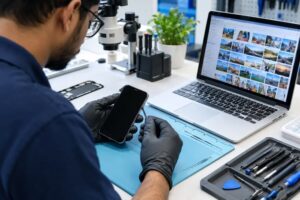
For students who enjoy technology and prefer practical work to long classroom study, it can be a strong choice. Phones are used daily by almost everyone, so repair skills stay relevant, and technicians who can fix board-level faults are valued by service centres and shops. It also lets you build real, job-ready skills while your friends are still in classrooms, and you can always study further later through distance or part-time options if you want a degree too.
It is not the right fit for everyone. You should enjoy fine, detailed work, be patient with problem solving and be willing to keep learning as phones change.
Why students choose repair training
- Practical learning: you work on real devices, not just theory
- Quicker route to work: skill-based programs focus on job-ready abilities
- Entrepreneurship: you can open your own repair shop after gaining experience
- Steady demand: every phone user eventually needs repairs
- Room to grow: you can move from basic repair to chip-level work and laptops
What a good course should teach
- Electronics fundamentals: components, circuits and measuring tools
- Smartphone architecture: how power, display, charging and network sections work
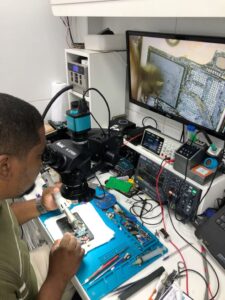
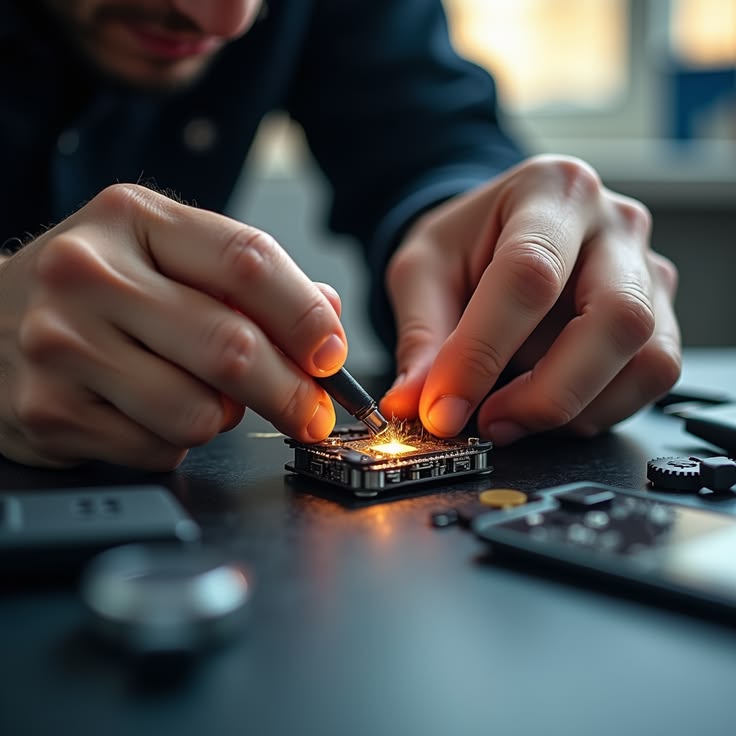
- Soldering and rework: hot air, microscope work and clean soldering
- Fault diagnosis: finding the real cause of a problem methodically
- Chip-level repair: motherboard repair, including BGA work and reballing
- Software skills: flashing, firmware and troubleshooting
- Customer handling: clear communication, honest quotes and job records
Basic repair vs chip-level repair
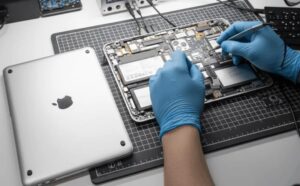
Basic repair replaces parts such as screens, batteries and charging ports. Chip-level repair fixes faults on the motherboard itself, such as power or charging circuit failures. Students who want a long-term career should prefer training that goes beyond part replacement, because board-level skills are what separate a general technician from a specialist.
How to choose a mobile repairing course after Plus Two
- Check practical hours. Ask how much time is spent in the lab on real devices.
- Look at the equipment. BGA machines, microscopes and proper soldering stations matter.
- Meet the trainers. Experienced technicians teach better than theory-only instructors.
- Ask about workplace training. Time in a working service centre builds real confidence.
- Verify certification. You can read about the national framework on the NCVET website.
- Understand placement support. Ask what is promised and whether it is written in the agreement.
- Confirm eligibility and fees directly with the institute before you decide.
Training at Grandis Technology
Grandis Technology is the educational division of the Ashtel Group of Companies, established in 2022 in Kerala. It offers two chip-level programs:
- Smartphone chip level technology: 8 months of institutional training plus 12 months of service centre training
- Smartphone and laptop chip level technology: 10 months of institutional training plus 12 months of service centre training
The lab includes BGA machines, CPU reballing systems and precision microscopes. You can meet the trainers on the faculties page, see student outcomes on the placements page and find the nearest location on the branches page. The institute also states that its courses are government-certified under NCVET.
Career options after training
- Service centre technician
- Chip-level repair specialist
- Laptop and mobile technician
- Owner of a mobile or laptop repair shop
- Freelance or on-site repair professional
- Trainer or team lead in a service business
You can also browse job listings on the government’s National Career Service portal to see the kinds of technician roles employers advertise.
Tips for Plus Two students planning this path
- Visit the institute and ask to see the lab before enrolling
- Talk to current or former students about their experience
- Practise basic electronics concepts at home to get a head start
- Talk to your parents about the plan, including the service centre training phase
- Compare options on practical content, not just on duration or price
Frequently asked questions
Can I join a repair program right after Plus Two?
Many students consider this route, but eligibility criteria differ by institute, so confirm the entry requirements with Grandis Technology directly through its contact page.
Do I still need a degree to work as a technician?
Employers mainly look for practical skill and proof of hands-on work, though requirements vary. You can study further later if you want to.
How long is the training at Grandis Technology?
The smartphone program has 8 months of institutional training plus 12 months of service centre training. The combined smartphone and laptop program has 10 months plus 12 months of service centre training.
Does the institute provide placement support?
It states that it offers placement assistance, career counselling and interview preparation, along with a written job-assurance agreement. See the placements page for details.
Conclusion
A mobile repairing course after Plus Two can turn a short decision window into a practical, skill-based career. Look for hands-on lab time, chip-level depth, workplace training and clear placement support, and visit the lab before you commit. To ask about eligibility, schedules and locations, contact Grandis Technology or read more about the institute.